


The History of Mod Culture in the UK: The Movement That Shaped Modern Style
Few youth movements have left as lasting a mark on British fashion and music as Mod culture. Born in post-war London and spreading across the UK during the late 1950s and 1960s, Mod culture reshaped the meaning of personal style, identity, and cool. Today, its influence can be seen everywhere—from tailored menswear and scooters to the ongoing revival of Northern Soul and Britpop aesthetics.
In this article, we explore the origins, rise, and lasting legacy of Mod culture in the UK.
Where It All Began: Post-War Britain and the Search for Identity
Mod culture (short for modernist) emerged in late-1950s London among young working-class and lower-middle-class people seeking a new identity in a rapidly changing society. Influenced by modern jazz, Italian fashion, and the glamorous optimism of post-war Europe, early Mods were:
-
Stylish
-
Aspirational
-
Obsessed with music, nightlife, and scooters
-
Determined to break from the older generation’s drab styles
The Mod identity was a rebellion—but not a messy one. It was sharp, clean, and intentional.
The Mod Look: Sharp Tailoring and Italian Influence
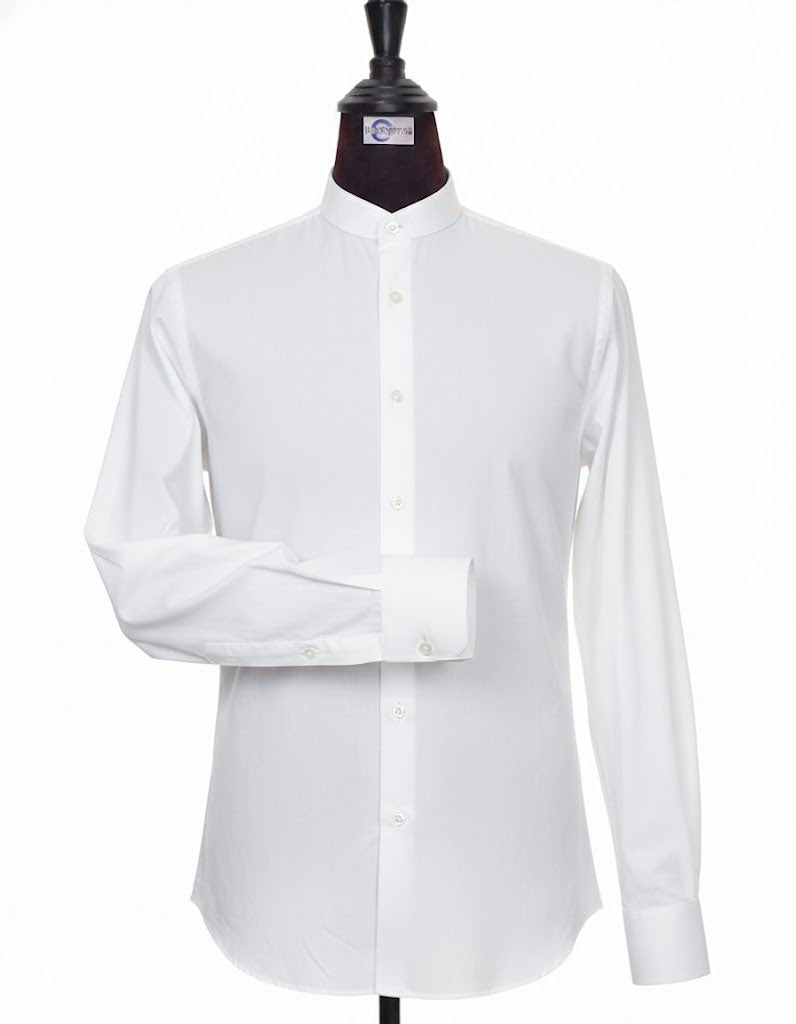
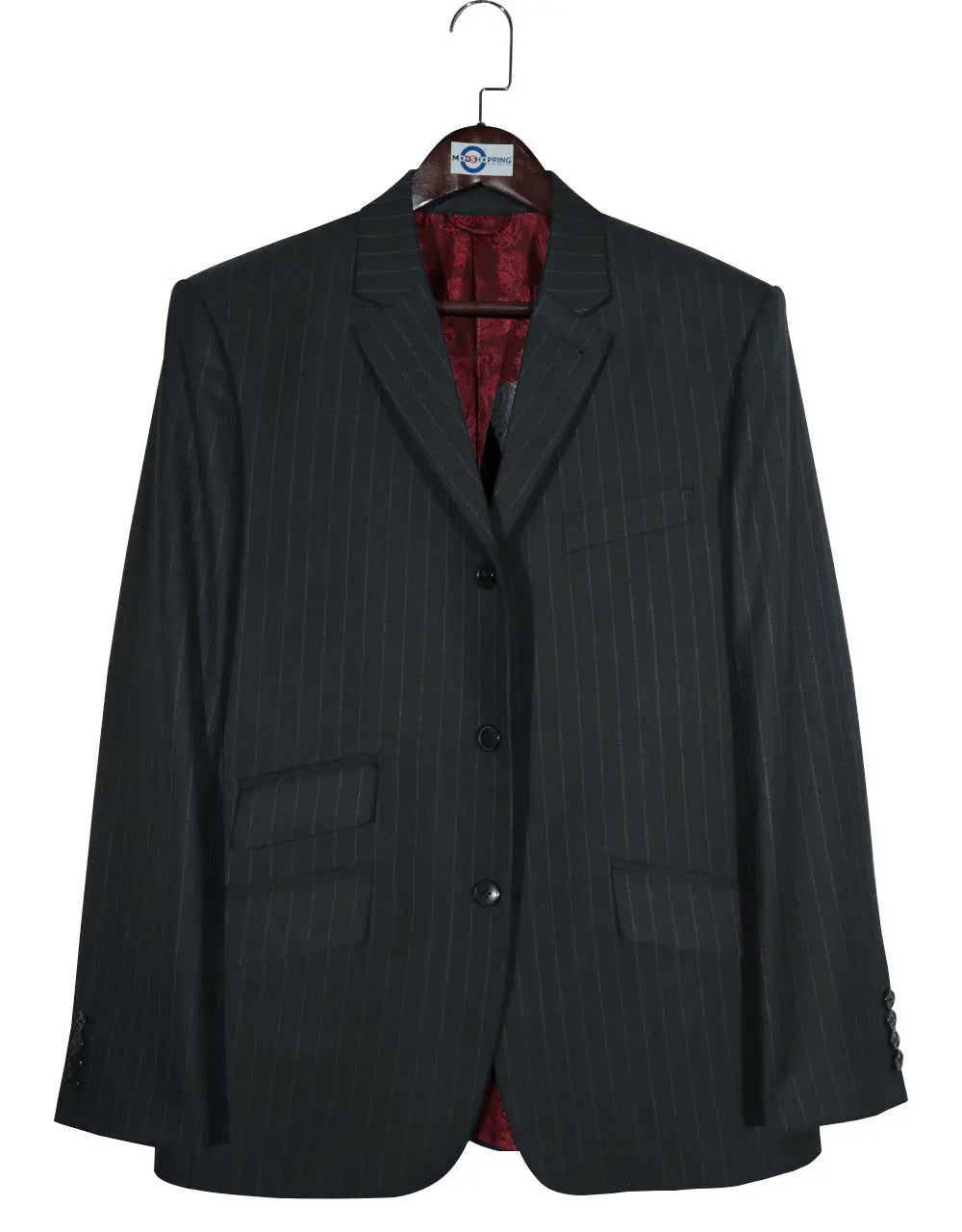
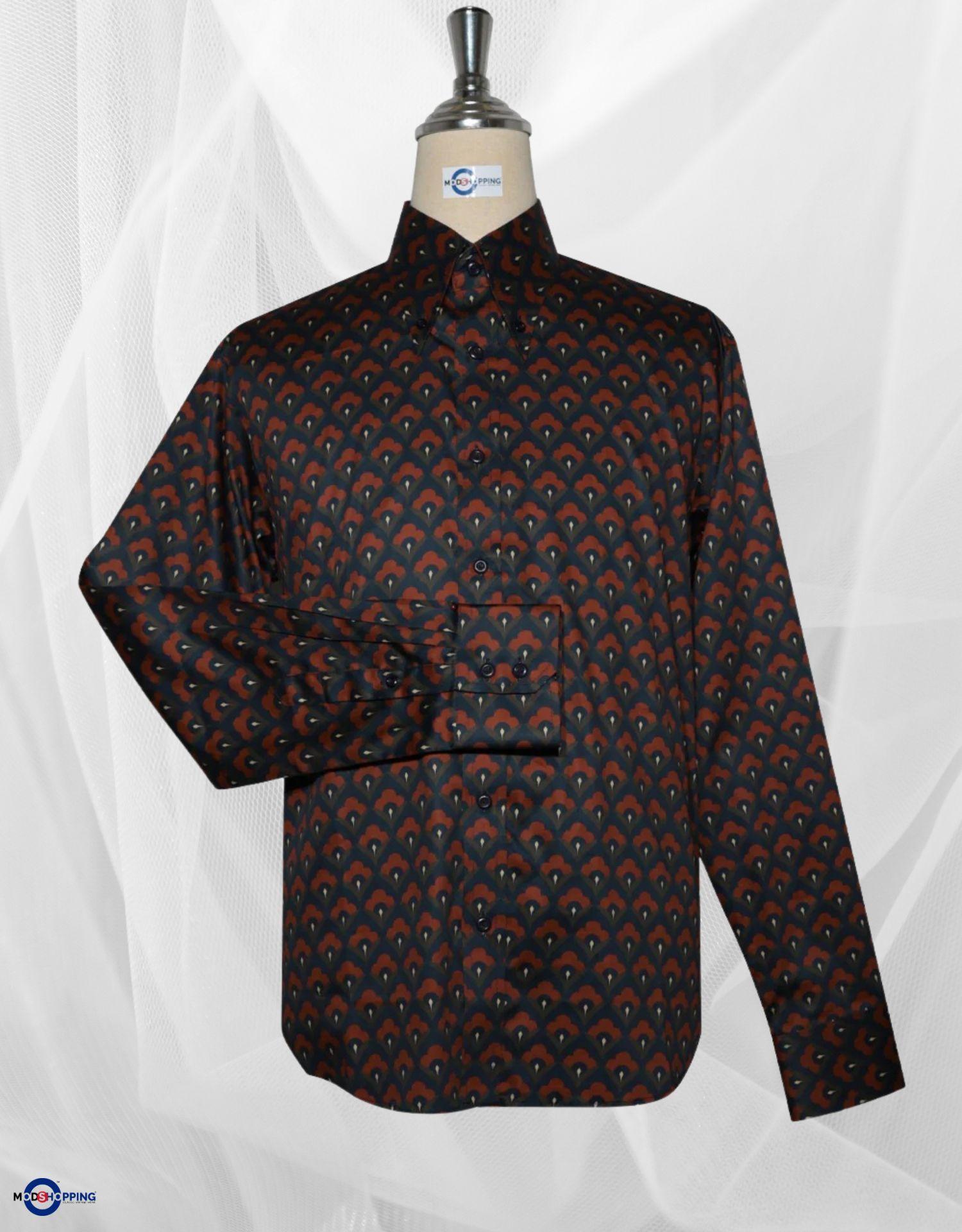
Fashion was the beating heart of Mod culture. Mods believed that style was a way to elevate yourself, regardless of background.
Key Elements of Mod Style
-
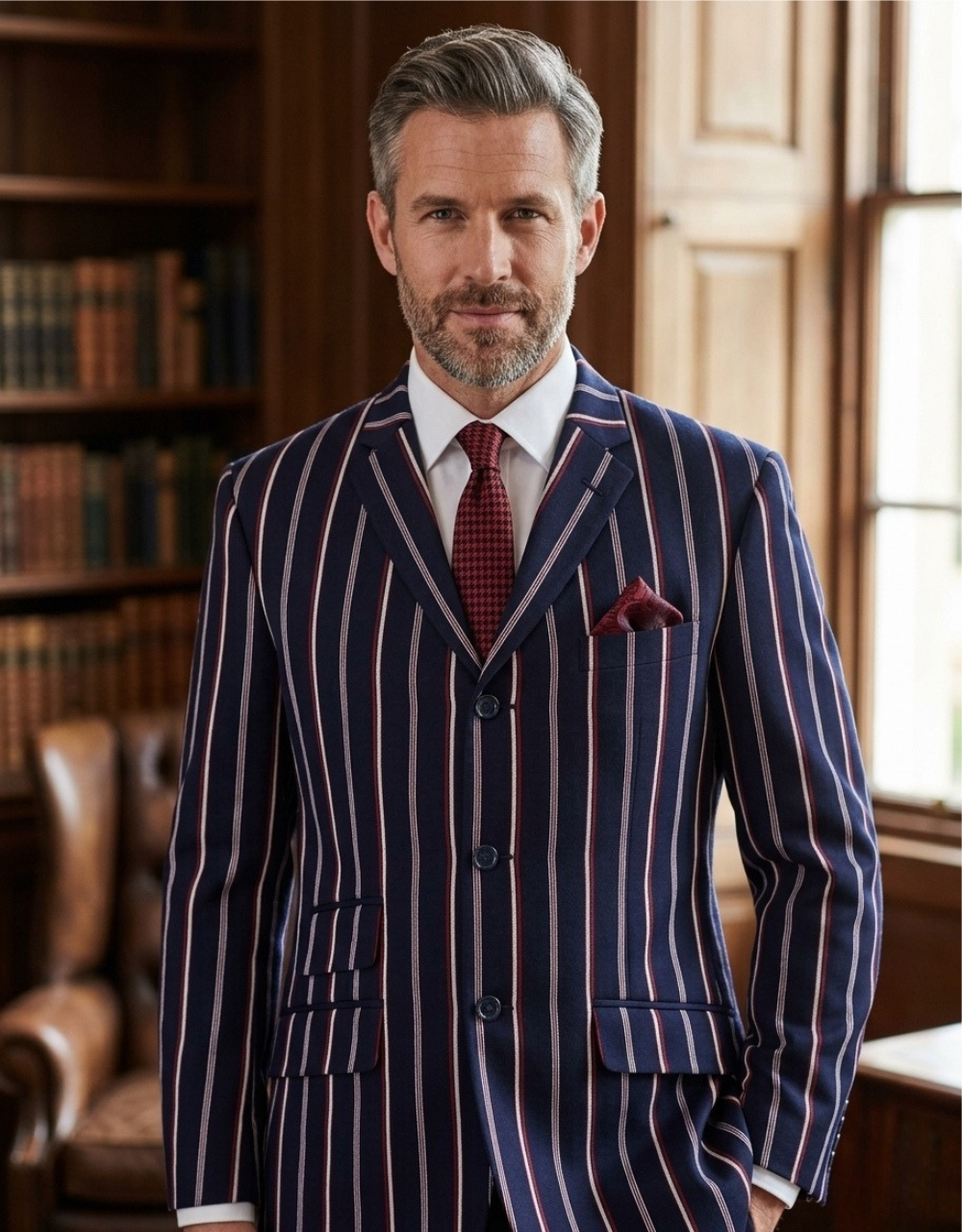
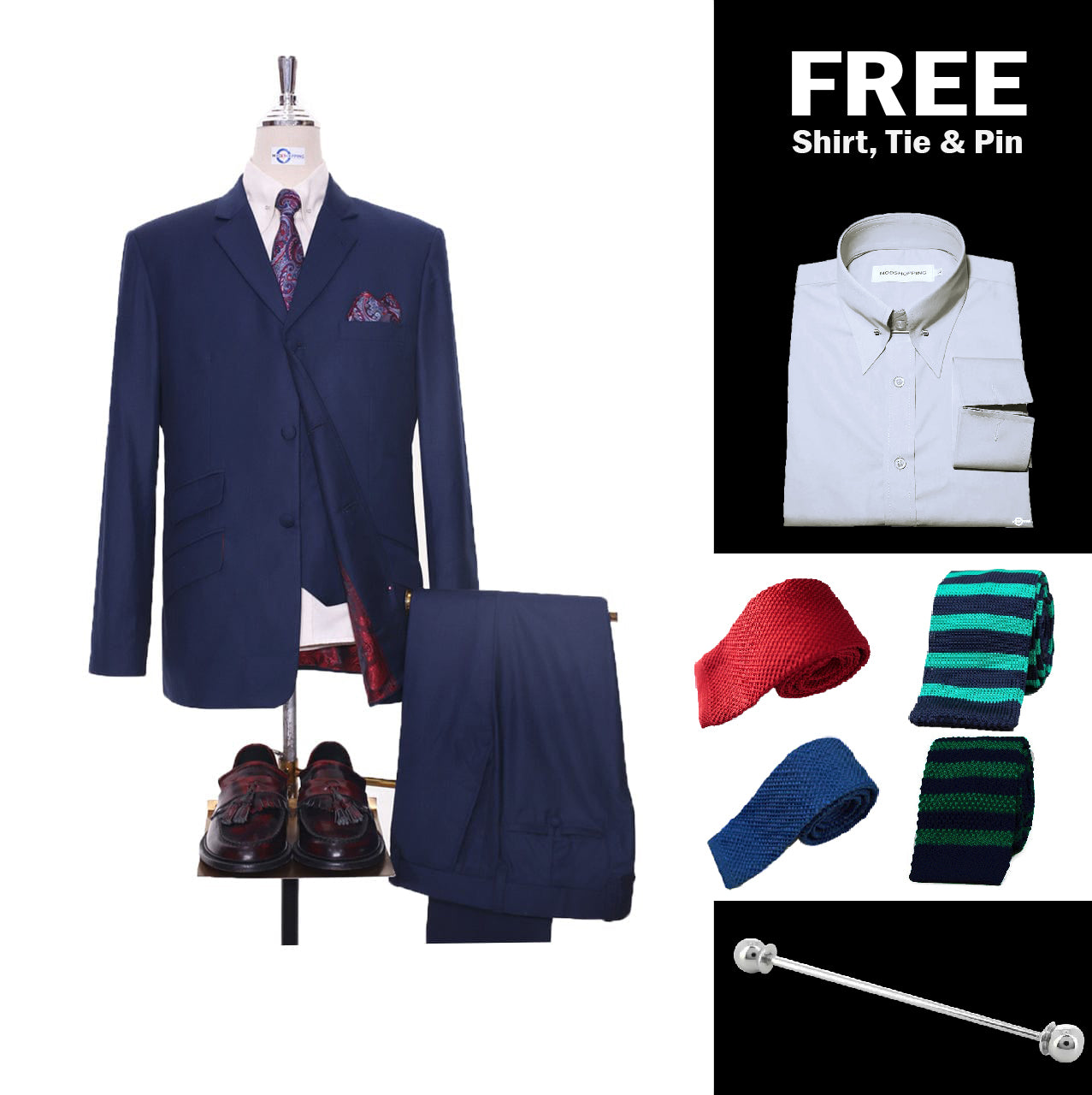
Slim-fit suits with narrow lapels
-
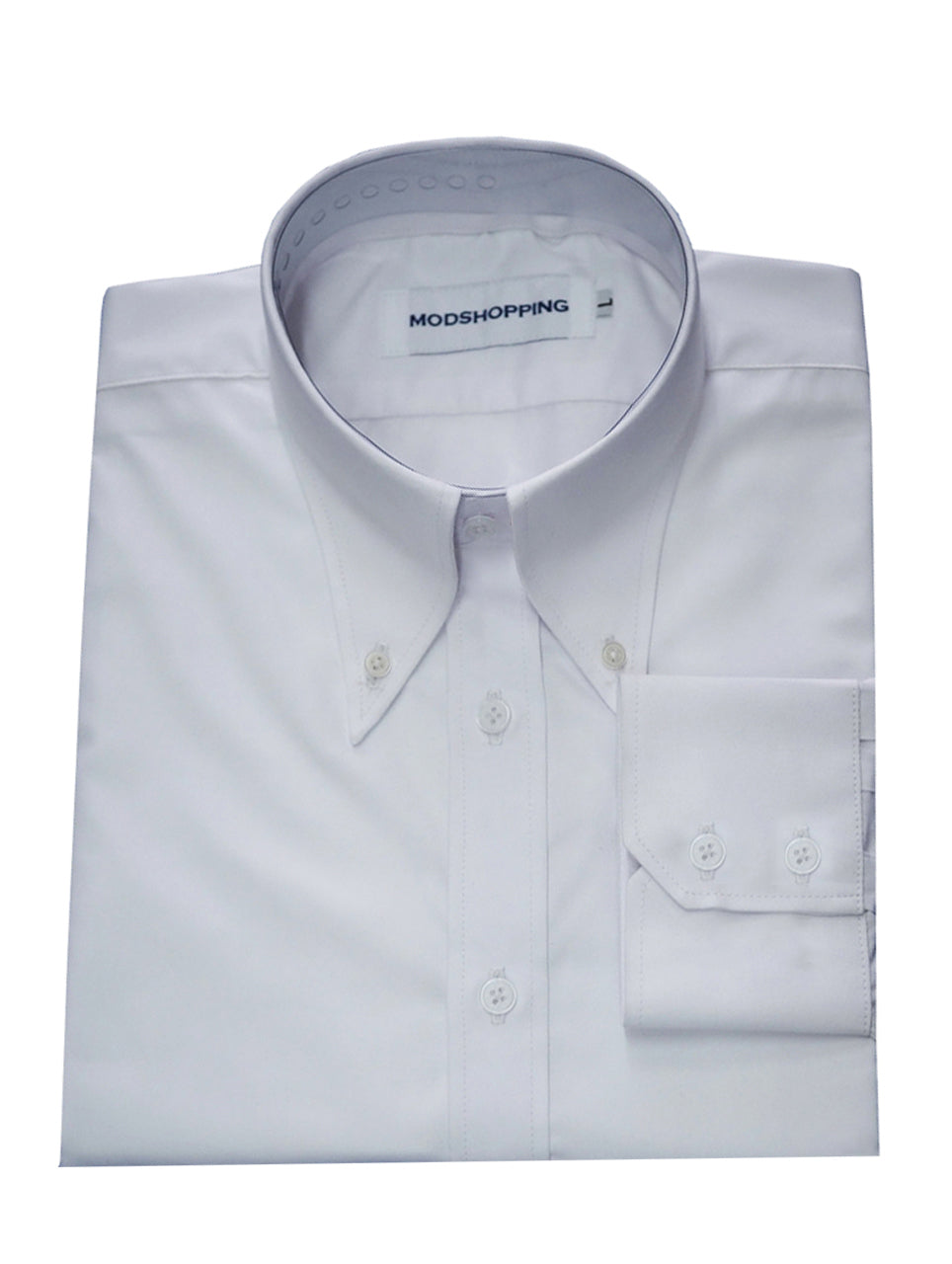
Crisp button-down shirts
-
Chelsea boots and desert boots
-
Lightweight parkas (often worn over suits to protect them while riding scooters)
-
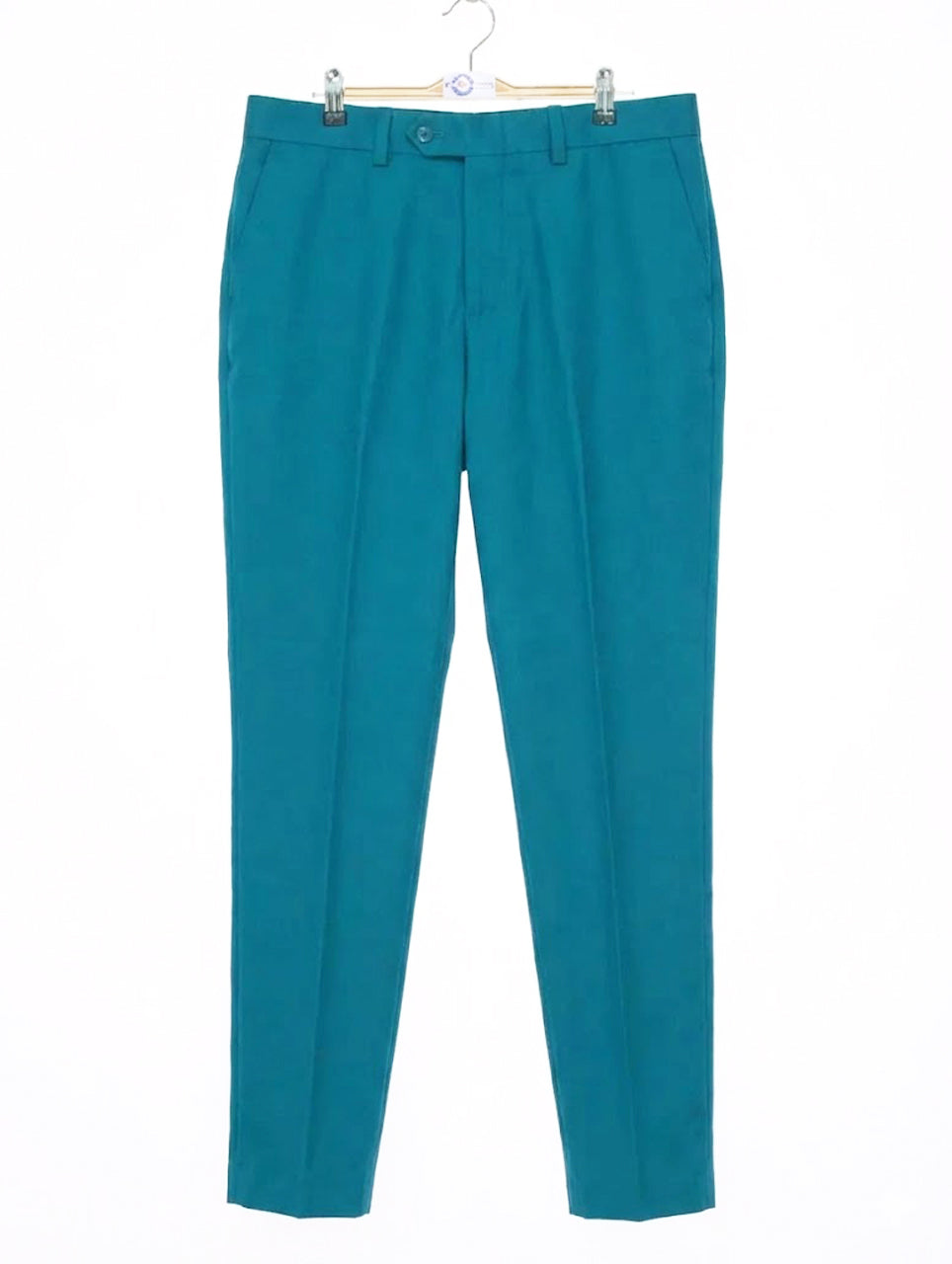
Smart knitwear, polos, and tailored trousers
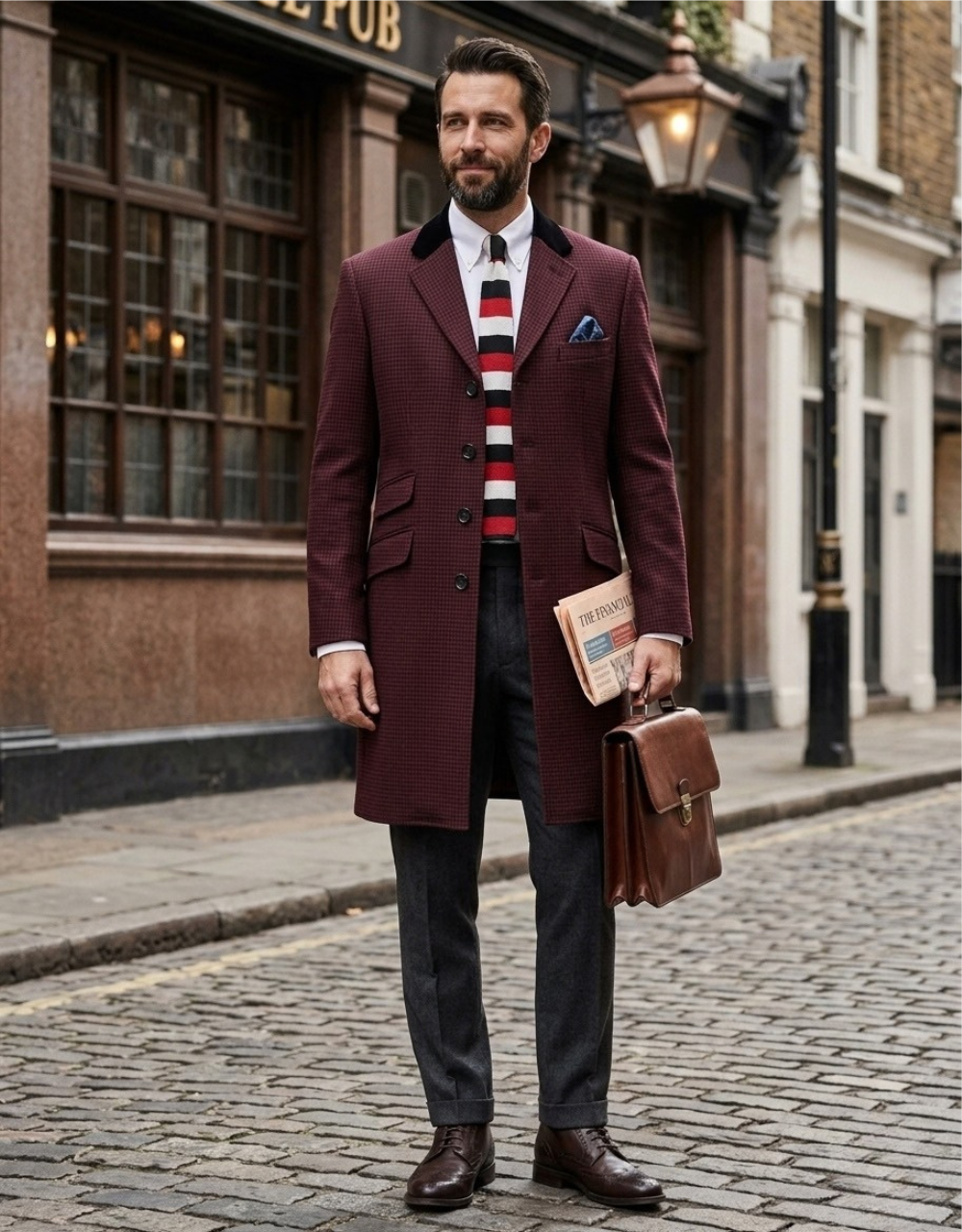
Italian and French tailoring heavily influenced Mod fashion. The look was minimal but meticulously put together—an expression of confidence and modernity.
The Music Behind the Movement
The Mod soundtrack evolved over time, reflecting the movement’s multi-layered identity. Early Mods favoured:
-
Modern jazz
-
Rhythm & blues
-
Soul
-
Ska and Bluebeat
Clubs like the Flamingo, The Marquee, and The Scene in London became legendary gathering places, where DJs spun rare imports from the US and Jamaica.
By the mid-1960s, British bands had begun shaping the Mod sound, most notably:
-
The Who
-
The Small Faces
-
The Kinks
-
The Yardbirds
Their explosive energy matched the restless spirit of Mod culture.
Scooters: The Iconic Mod Machine
No symbol of Mod culture is more recognisable than the scooter.
Mods embraced Vespas and Lambrettas—sleek, stylish, customisable machines.
Common scooter aesthetics included:
-
Multiple mirrors
-
Chrome accessories
-
Vibrant paintwork
-
Union Jack designs
Scooters weren’t just transport—they were fashion accessories on wheels.